
One connected system, live in weeks
Measure is one system from day one. If you're moving away from spreadsheets and duct taped processes, why move to a bolted together platform that operates similarly?
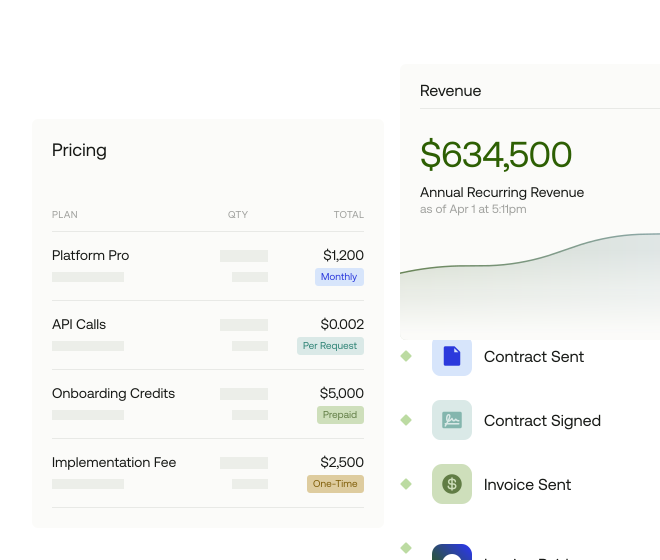
Top 3 reasons teams choose Measure over Zuora
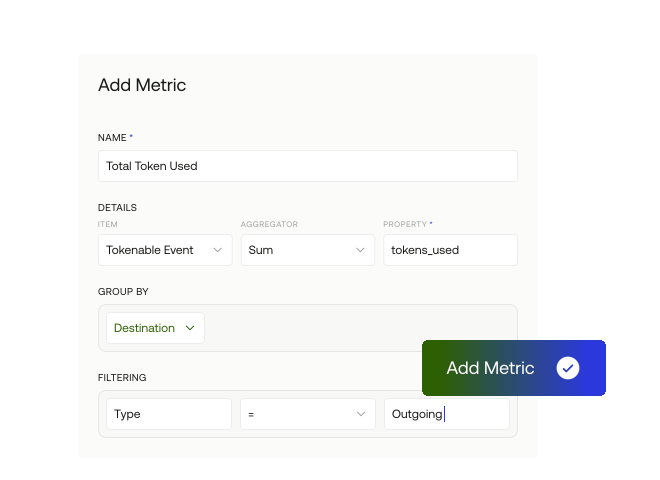
You need results this quarter. Measure requires 2-4 weeks of engineering setup, then finance owns the system. No lengthy implementation projects, no paid onboarding hours when things go sideways. Zuora takes 6-9 months: up to 9 more months managing spreadsheets, and up to $100,000 paid in professional services fees. Ouch.
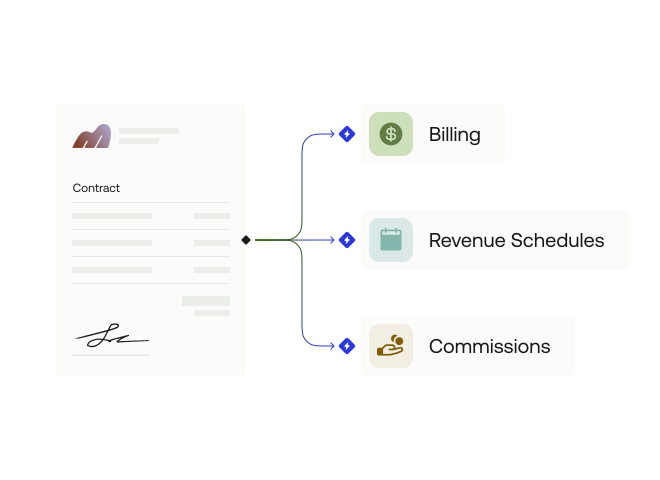
Measure has no sub-ledger: the contract is the source of truth. Change a contract, and the invoice, rev rec schedule, and journal entry all update from the same record. Zuora is a billing sub-ledger that has to reconcile to your ERP monthly; this is where close time dies, especially on mid-month amendments.
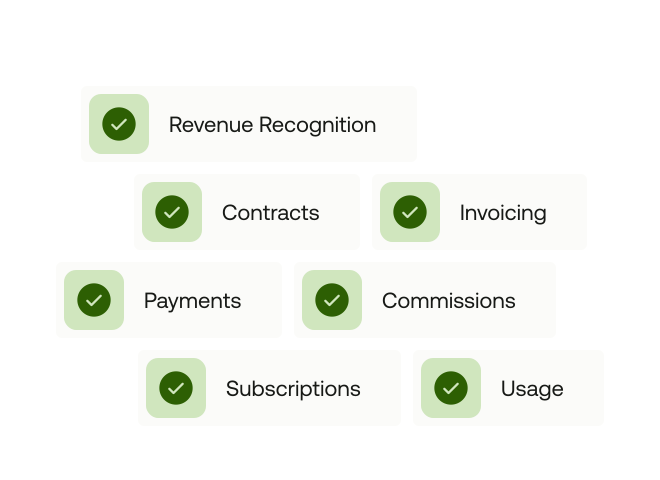
Measure is a single codebase with one UX. No toggling between billing and revenue modules, no reconciling data between systems at month-end. Zuora is four modules bolted together; you're buying three systems and reconciling between them.

|
Zuora | |
|---|---|---|
| Architecture | Single codebase | Discrete modules (Billing, Revenue, CPQ, Collect) |
| Typical Implementation | 2–4 weeks | 6-9 months |
| Implementation | Included | $30-100K+ in professional services |
| HubSpot/QBO Integrations | Included | Yes |
| Contract Commitment | Month-to-month | Multi-year contracts |

Patlytics had three systems for revenue. Now they have one source of truth.
We'll let the product do the talking.
See how Measure handles your actual pricing model in a live demo.