

The last sprint you'll spend on billing.
Set it up once. Hand it to Finance. New pricing, contract amendments, proration logic - they handle it without filing a ticket.


















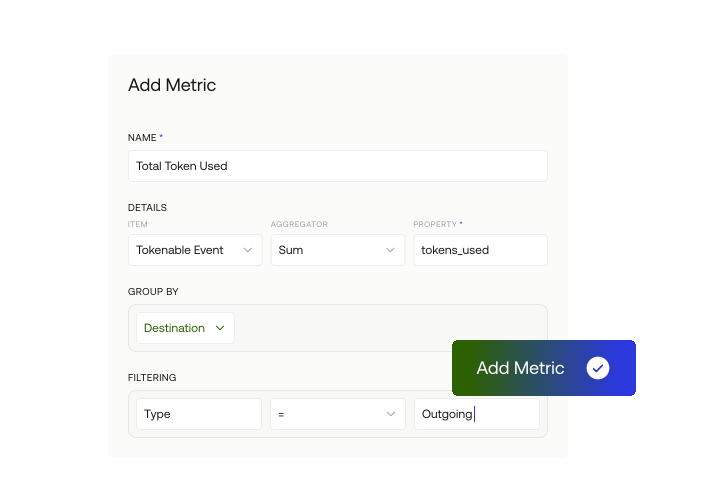
One integration, then you're out.
Connect your event data stream. Set up automated account provisioning. That's the engineering scope.
Once event data flows into Measure, Finance owns everything downstream - how events get counted, how usage translates to pricing, how thresholds trigger invoices. You're not building metering logic. You're connecting a pipe.
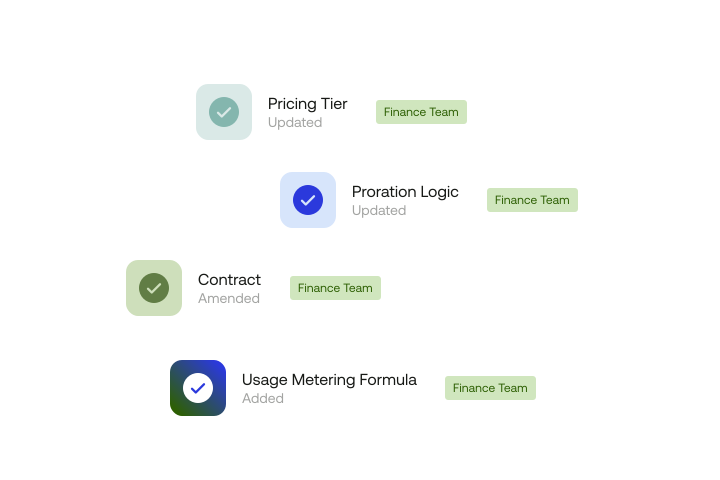
Finance changes don't require deploys.
New pricing tier? Finance adds it. Proration logic update? Finance configures it. Contract amendment? Finance handles it. Usage metering formula? Finance adjusts it.
You review the architecture once. You don't review every business change.
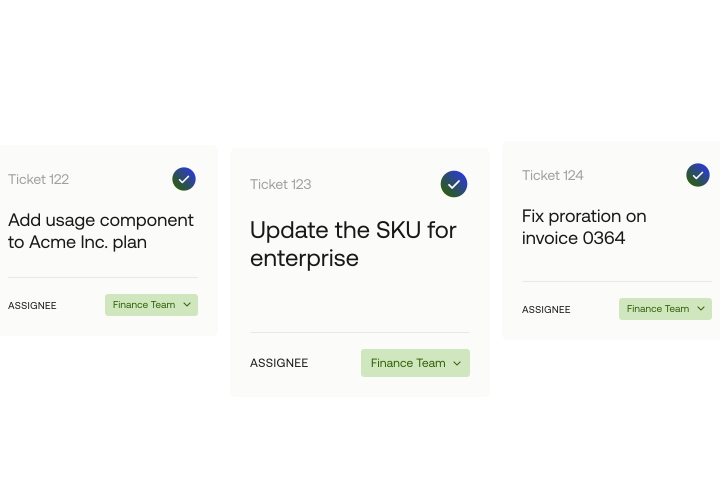
The tickets that stop coming.
You know the ones. "Can you update the SKU for enterprise?" "The proration is wrong on this invoice." "We need to add a usage component to this plan." "The metering formula changed, can you update the code?"
Measure is designed so those requests go to Finance, not Engineering.
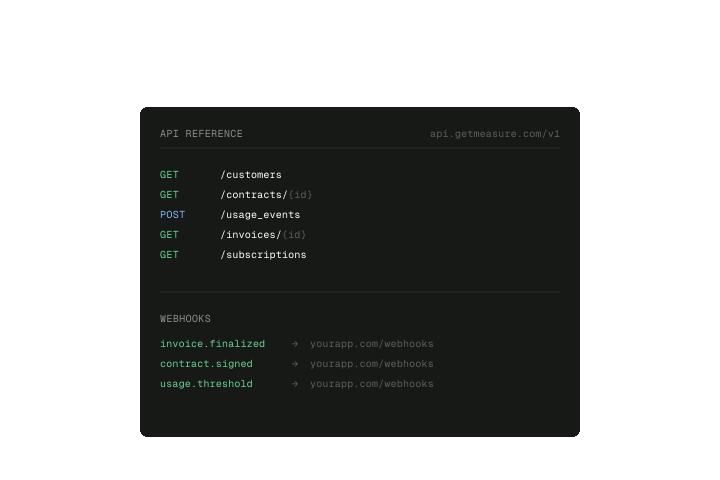
Full API access to everything.
REST APIs for every object. Webhooks for real-time events. Everything in Measure is accessible - contracts, subscriptions, invoices, payments, revenue schedules, commissions. Pull it into your data warehouse. Build whatever reporting you need.
The details that matter.

Scoped and finite
Connect event data. Set up provisioning. Done.

No billing tickets
Pricing, metering, subscription logic - Finance handles it without you.

Your data, accessible
Full API coverage. Webhooks. Export everything to your warehouse.
See what "done with billing" actually looks like.
Walk through the integration scope and handoff process with someone who's implemented Measure at companies like yours.