

When one thing changes, you shouldn't have to update four tools.
Contract terms live in the CRM. Billing lives in Stripe. Rev rec lives in a spreadsheet. Commissions live in another spreadsheet. You're the one making sure they match.
Measure connects them so you don't have to.


















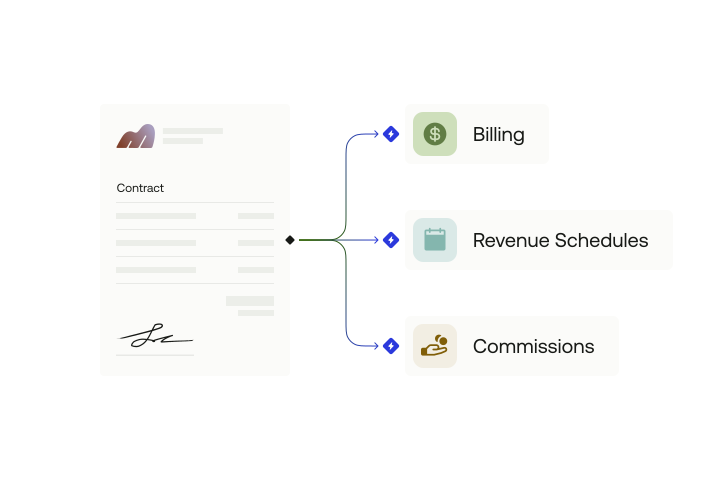
The manual work that disappears.
You know the routine. Sales closes a deal. You pull the contract terms into the CRM. Set up the subscription in Stripe. Update the rev rec schedule. Recalculate commissions. Check that everything matches what was promised.
In Measure, the contract is the source. Billing, revenue schedules, and commissions all pull from it. Change the contract, everything recalculates.
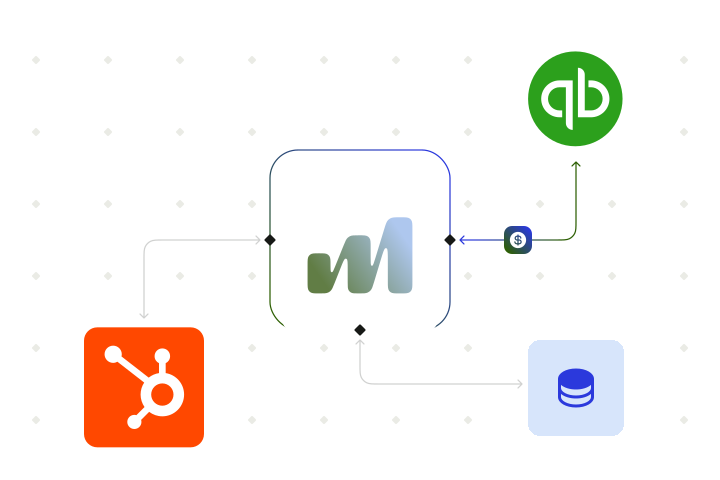
One system connecting your stack.
Measure sits between your CRM, billing, and accounting software. Contracts sync from Salesforce or HubSpot. Journal entries push to QuickBooks or Xero. Everything exports to your data warehouse.
You're not replacing your tools. You're eliminating the manual handoffs and errors between them.
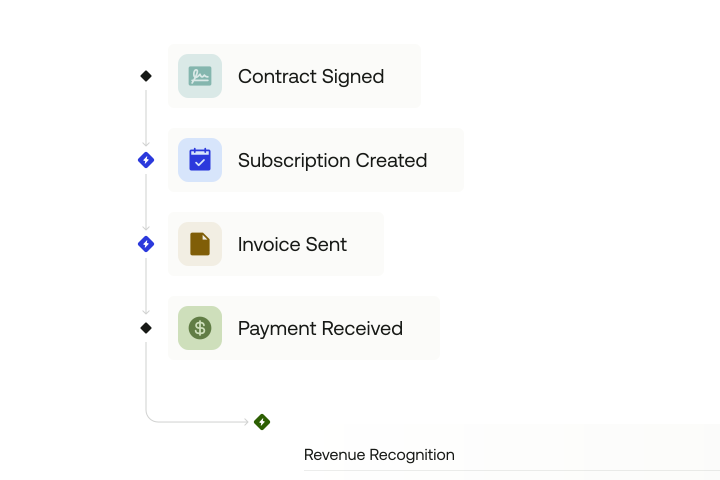
Changes actually cascade.
Contract signed? Subscription creates. Invoice due? Invoice sends. Payment received? Revenue recognizes. Commission earned? Commission posts.
You're not checking whether automations fired. The system handles the sequence.
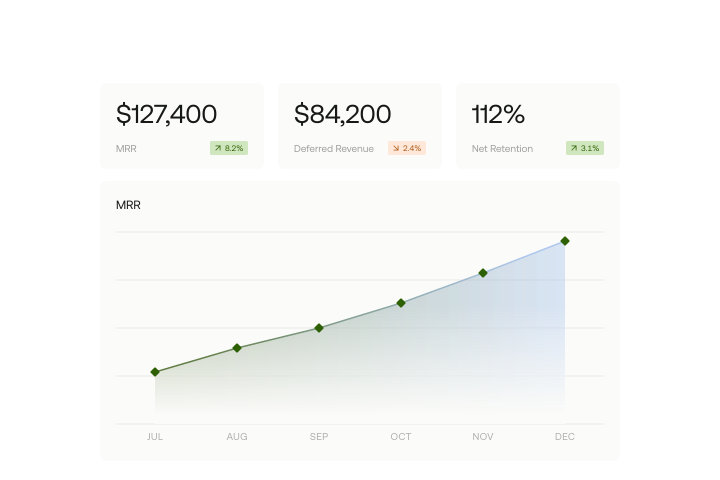
Reports that don't need rebuilding.
MRR movements. Churn cohorts. Deferred revenue balances. Aged receivables.
Built from the same data that runs billing. No more "which number is right?" conversations.
The details that matter.

One source
Contracts, billing, rev rec, commissions. Same system. Same data.

Changes flow through
Update a contract. Invoice adjusts. Revenue recalculates. Commission posts.

Reports that match
Built from live data, not monthly exports.